When to Plant Sunflowers in Australia: A Beginner Guide


Sunflowers are one of the easiest and happiest flowers to grow from seed. They are bright, bold, beginner-friendly, and loved by bees, birds, and gardeners alike.
But if you are new to growing sunflowers, one of the biggest questions is:
"When should I plant sunflower seeds in Australia?"
The answer depends on where you live, how cold your winters are, and whether your soil has warmed up enough for seeds to germinate well.
This guide will help you choose the best time to plant sunflowers in Australia, with simple timing tips for different climate zones.
Quick answer: When is the best time to plant sunflowers in Australia?
For most Australian gardeners, the easiest time to plant sunflowers is:
Spring to early summer
This usually means around:
September to December
Sunflowers are warm-season annuals, which means they grow best when the weather is warm, sunny, and settled.
Sunflower planting times by Australian climate zone
Use this as a general guide.
Climate area | Best time to plant sunflowers |
Tropical | Spring, summer and autumn |
Sub-tropical | Spring, summer and autumn |
Arid / dry inland | Spring and early summer, avoiding extreme heat where possible |
Temperate | Late winter to early summer |
Cool / frost-prone | Spring to early summer |
If you are unsure which climate zone you are in, a simple beginner rule is:
Plant sunflowers after your coldest weather has passed and the soil feels warm enough for seeds to grow strongly.
When to plant sunflowers
State / Territory | Beginner-friendly planting window | Notes for Beginners |
South Australia | September to early December | Best for Adelaide and many temperate parts of SA. Spring is the easiest starting point before peak summer heat makes seedlings harder to manage. |
Victoria | September to December | In cooler or frost-prone areas, wait until frost risk has passed. October to December is often safer for beginners. |
New South Wales | September to December | Warmer coastal and northern areas may allow a slightly longer season. Cooler inland or tableland areas should wait until frost risk has passed. |
Queensland | August to April, depending on region | Sub-tropical and tropical parts of Queensland can often sow for much of the warm season. Avoid extreme heat, waterlogged conditions, and dry spells while seedlings are young. |
Western Australia | August to December in the south-west; longer in warmer northern areas | Perth and southern WA are generally easiest from late winter or spring into early summer. Northern areas may have a longer warm-season window, but wet-season conditions and extreme heat can affect young plants. |
Tasmania | October to December | Tasmania’s cooler climate means it is usually best to wait until spring is properly underway and soil has warmed. |
Australian Capital Territory | October to December | Frost risk is the main issue. Wait until the soil is warming and nights are no longer too cold. |
Northern Territory | Most of the warm year, with timing based on wet/dry conditions | In tropical areas, sunflowers can be grown over a longer season, but the dry season may be easier to manage with irrigation. Avoid waterlogged soil and harsh seedling stress. |
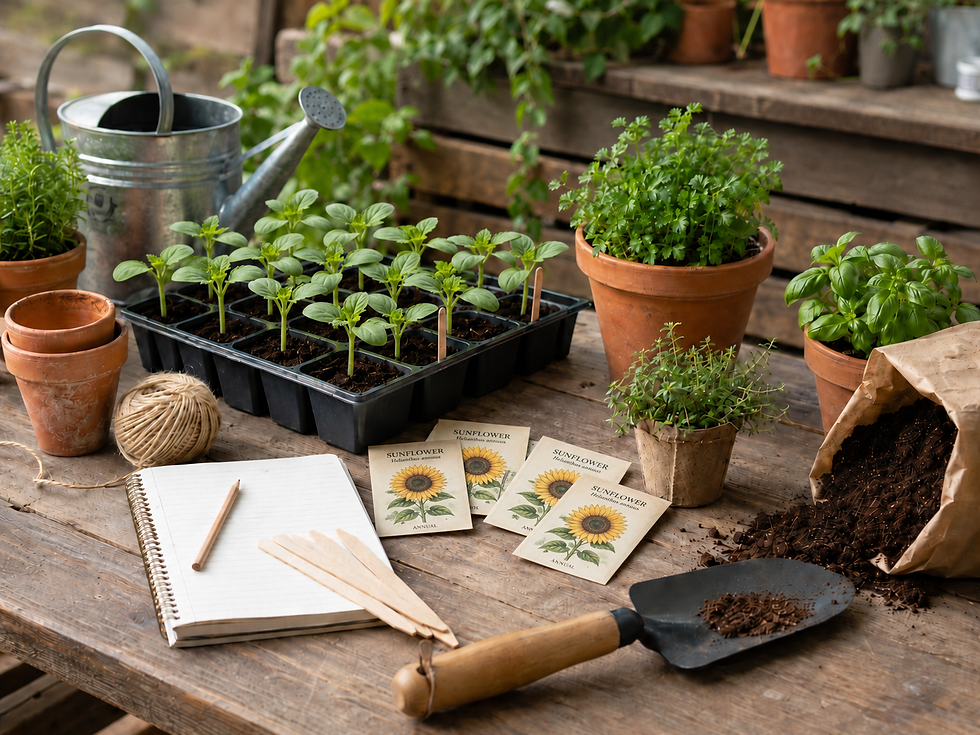
Sunflower seeds germinate best when the soil is warm, 21–30°C is the ideal germination range.
Why soil warmth matters
If the soil is too cold, seeds may sit for too long, germinate unevenly, or become more vulnerable to rotting or pest damage.
As a beginner guide, wait until:
the weather is warming
the soil is not cold and soggy
sunny days are becoming more regular
night temperatures are not dropping too low
Sunflowers can germinate quickly when conditions are right, often within one to two weeks.
Quick answer: Should you sow sunflower seeds directly or start them in trays?
Sunflowers are usually best sown directly where they will grow.
This is because sunflowers can dislike root disturbance, especially taller varieties. Direct sowing helps them develop a strong root system from the start.
However, you can start sunflowers in small pots or seedling trays if you need to protect them from birds, snails, cold weather or rough conditions.
If you start them in trays, transplant them while they are still young and before they become rootbound.
Best place to plant sunflowers
Sunflowers need a sunny position.
Choose a spot with:
full sun
at least 6 hours of direct sunlight per day
well-draining soil
enough space for the variety you're growing
shelter from very strong wind if growing tall varieties
Tall sunflowers may need support, especially in windy areas or exposed gardens.
Quick answer: Can you grow sunflowers in pots?
Yes, but the pot size must match the variety. This is important.
Large sunflower varieties need large, deep pots or garden beds. Small decorative pots are not suitable for full-sized sunflowers.
For pots, choose:
dwarf or compact sunflower varieties
a deep container
good drainage holes
quality potting mix
regular watering
If you only have small pots, choose compact herbs or small flowers instead of tall sunflowers.
Quick answer: Can you plant sunflowers in winter?
Winter is not the best time to plant sunflowers.
Sunflowers need warmth and strong light. In cold or low-light conditions, seedlings can become weak, slow or stunted.
Some warmer regions may be able to grow sunflowers outside the standard spring window, but for beginners, winter sowing is usually not the easiest option.
If you are just starting out, wait for spring.
Quick answer: Can you plant sunflowers in summer?
Yes, but summer planting depends on your climate.
In warm areas, sunflowers can grow well in summer, but young seedlings may struggle during extreme heat or dry weather.
If planting in summer:
sow in the cooler part of the day
keep the soil evenly moist while seeds germinate
protect seedlings from hot drying winds
avoid letting seed trays or small pots dry out
consider a faster-growing or compact variety
In very hot parts of Australia, late spring may be easier than peak summer.
Beginner sunflower planting checklist
Before planting sunflower seeds, check:
The coldest weather has passed.
The soil is warming.
The spot gets plenty of sun.
The soil drains well.
You have enough space for the variety.
Tall varieties have room for support.
Pots are large enough for the sunflower type.
Seeds can be kept moist while germinating.
Simple planting steps
Choose a sunny position.
Prepare the soil by loosening it and removing weeds.
Add compost if the soil is poor.
Sow seeds according to the packet depth.
Water gently after sowing.
Keep the soil moist but not waterlogged.
Protect young seedlings from snails, birds and rough weather.
Thin seedlings if they are too crowded.
Support tall varieties as they grow.
Always check your seed packet for spacing and planting depth, because sunflower varieties can vary.
5 Common timing mistakes
1) Planting too early
If the soil is still cold, seeds may germinate slowly or poorly.
2) Planting during extreme heat
Very hot conditions can dry out soil quickly and stress young seedlings.
3) Using pots that are too small
Tall sunflowers need more root space than small decorative pots can provide.
4) Forgetting wind exposure
Tall sunflowers can become top-heavy and may need support.
5) Letting seeds dry out during germination
Sunflower seeds need steady moisture while they are sprouting.
Track your sunflower seeds
If you are planting sunflowers this season, it helps to keep simple notes.
You may want to record:
seed variety
date planted
where you planted them
germination date
how many seeds sprouted
flowering date
seed saving notes
You can use the free Seed Tracker Lite to record your seed names, quantities, storage locations and planting notes.
Final thoughts
For most Australian gardeners, the best time to plant sunflowers is spring to early summer.
If you are a beginner, do not overcomplicate it. Wait until the weather is warmer, choose a sunny spot, sow your seeds, keep them moist while they germinate, and give them enough space to grow.
Sunflowers are forgiving, cheerful, and a wonderful flower to grow from seed.
Start with one packet, keep a few notes, and enjoy watching them turn into bright garden colour.
Gardening results can vary depending on your local climate, weather, soil, watering, seed age, storage conditions, pests and growing setup. Use this guide as general beginner gardening information and always check your seed packet for variety-specific advice.


Comments